


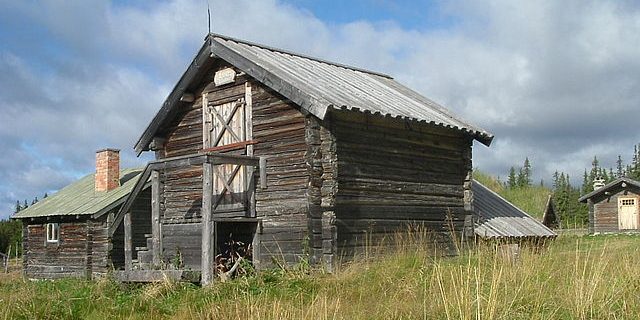
Mountain Pasture Week 2026 is growing in both scope and popularity. During the summer, mountain pastures in Gävleborg, Jämtland, and Dalarna open their doors to visitors who want to experience traditional farming, local food production, and the knowledge that has kept the countryside alive for generations.
Planning for this year’s Fäbod Week is in full swing, and the organizers are planning an extensive program for both children and adults. Fäbod Week kicks off in Gävleborg June 28 through July 5, at the same time as Jämtland is holding its event from June 29 to July 5. In Dalarna The activities will take place between July 13 and 20.
Visitors will be able to take part in everything from folk singing workshops and horse-drawn haymaking to hikes, concerts, storytelling tours, and traditional cheese and butter making at active mountain pastures.
Mountain pastures are small farming sites in forested and mountainous areas where livestock were traditionally taken for summer grazing. During the summer months, mountain pasture farmers lived on site and used the milk to make cheese, butter, and clotted cream, among other things. For centuries, the mountain pasture system has been an important part of Sweden’s food supply and has helped keep the landscape open while preserving rich biodiversity.
Traditions that strengthen preparedness
The county administrative boards emphasize that the week is not just about cultural heritage. Traditional methods of food production and animal husbandry are also described as skills that can help strengthen civil preparedness. At the same time, attention is drawn to biodiversity, local traditions, and small-scale food production.
New feature attracts more people
New for 2026 is a knitting hike inspired by the daily lives of historic mountain pasture maids. According to the Swedish Mountain Pasture Culture Association, the women often knitted while tending the animals on the forest pastures—walking around empty-handed was not considered part of everyday life.
Growing interest
According to the organizers, the mountain pasture culture is attracting an increasing number of visitors. Through open mountain pastures, local artisanal foods, and hands-on workshops, more people are getting the chance to learn about the traditions that have shaped Sweden’s countryside for centuries and are still kept alive by today’s mountain pasture farmers.


The mountain pastures have pretty much been wiped out because of the Sami and their ”reindeer grazing areas.” Which are spreading further and further south. Soon there’ll be reindeer in the capital, too. One thing’s for sure: ”The Sami are NEVER satisfied.”.
They own hunting rights, which they sell at a high price. The same thing ”happens” with fishing rights, which they sell at a high price, AND they also own land rights. What is the average person in the north supposed to live on???
I believe the Sami people have ”land rights” to one-third of Sweden’s total land area. Does an ordinary person from northern Sweden have the right to own reindeer in the same proportion as the Sami do?
They transported reindeer by train down to Dalarna. And the summer pastures in the areas near the mountains were destroyed. The Sami wanted ”reindeer grazing areas.”.
”Laws that divide people by birth are a thing of the past”
The Reindeer Husbandry Act is a clear example of legally sanctioned discrimination. Only people of a certain Sami descent have the right to engage in reindeer husbandry, which also grants them exclusive rights to land and water. This regularly occurs at the expense of other ethnic groups with at least as long, and in many cases longer, historical roots in the area—including Sami people outside the reindeer herding industry.
”The county administrative boards’ reindeer herding committees and the Sami Fund reinforce this system through decisions in which ethnicity and livelihood are decisive factors. This is not about cultural preservation, but about institutionalized preferential treatment.”
Source: Nya Tider