


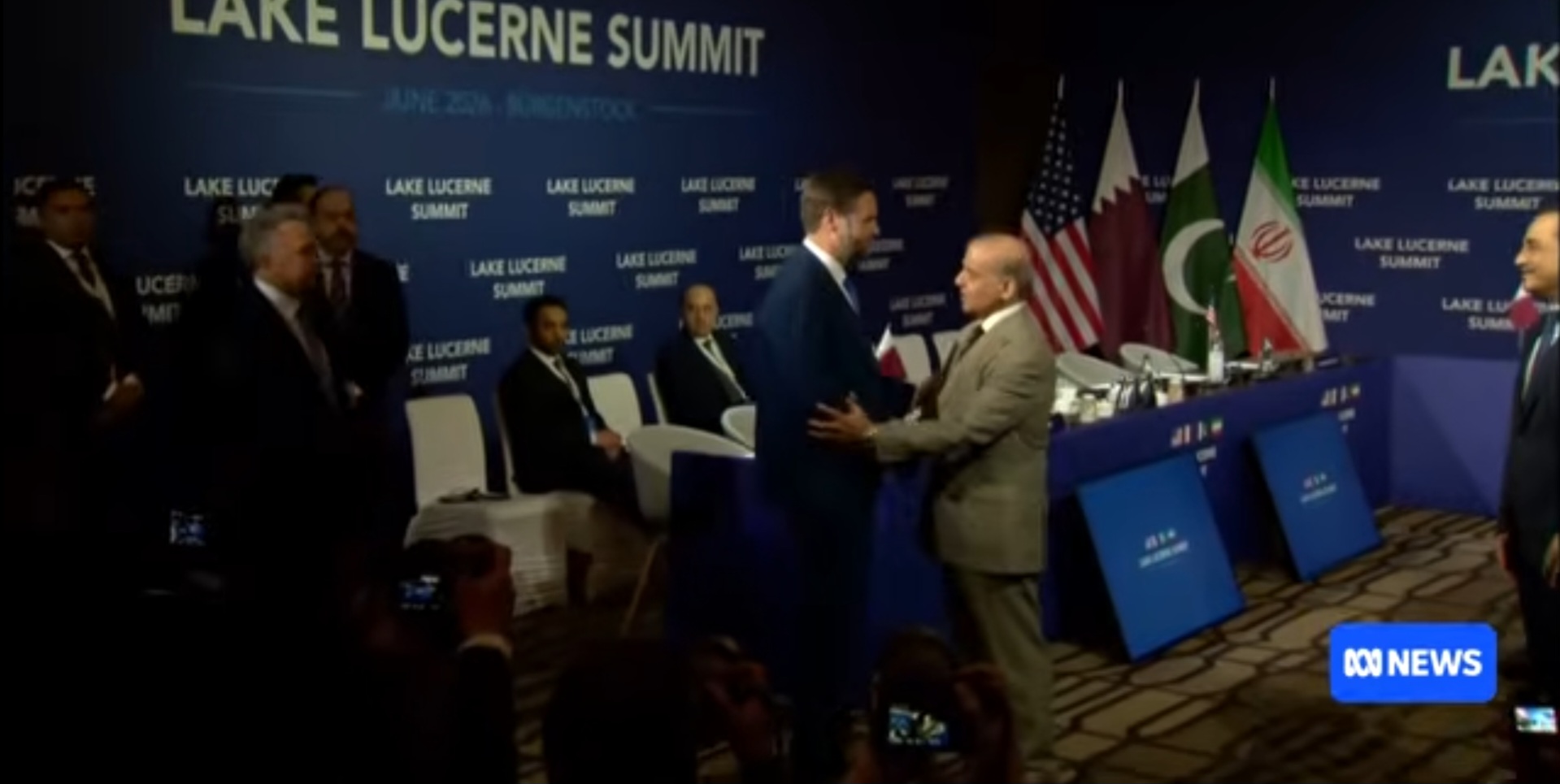
Over the weekend, the United States and Iran took a cautious step forward in the peace process following tense talks in Switzerland. Despite new disagreements over Lebanon and the Strait of Hormuz, the parties agreed on a roadmap for continued negotiations over the next 60 days.
In the Swiss town of Bürgenstock, senior officials from the United States and Iran met for the first round of negotiations since the interim agreement was signed earlier this week, reports Al Jazeera. The talks were led by the U.S. Vice President JD Vance and the Iranian delegation, with Qatar and Pakistan acting as mediators.
The negotiations took place while the situation remained tense. Iran accused the United States of failing to ensure that Israel’s military operations in Lebanon cease, even though the temporary agreement calls for a halt to hostilities on all fronts.
In response, Iran announced that the Strait of Hormuz had been closed again, while President Donald Trump reiterated his warnings of new U.S. attacks if Iranian-backed groups in Lebanon continue their attacks.
Agreement on Continuing Negotiations
The mediators, Qatar and Pakistan, described the talks as having taken place in a ”positive and constructive atmosphere” and reported ”encouraging progress.” The parties agreed on a roadmap to reach a final agreement within 60 days, as well as on several practical mechanisms to reduce the risk of new incidents.
Among other things, a special communication channel will be established regarding the Strait of Hormuz. In addition, a so-called ”de-confliction cell” will be set up to monitor compliance with the agreement to cease military operations in Lebanon.
The most sensitive issues, including Iran's nuclear program and future sanctions relief, will, however, be addressed during further technical talks later this week.
Lebanon Remains the Biggest Stumbling Block
Despite the agreements, the situation remains fragile. Israel has continued its operations in Lebanon since the agreement was signed, which, according to several analysts, poses the greatest threat to the entire process. Iran has already postponed previously scheduled negotiations, citing the Israeli attacks.
The first round of negotiations has thus laid the groundwork for continued dialogue between Washington and Tehran. At the same time, significant differences remain before a permanent agreement can be reached.


Now we'll see if the U.S. has a will of its own or if it simply follows the orders of the Jewish powers.